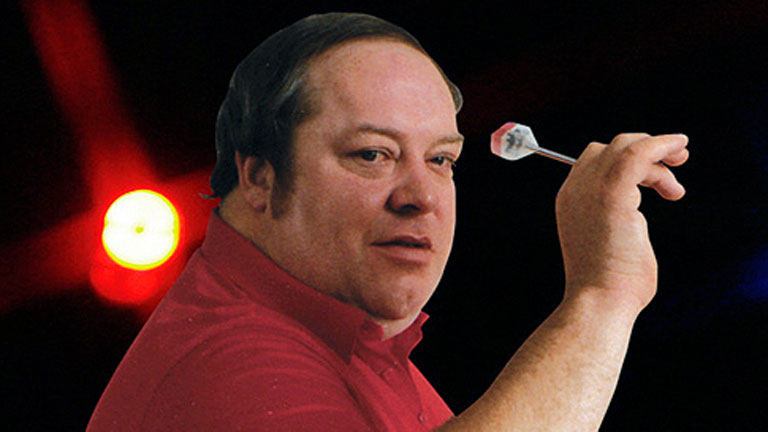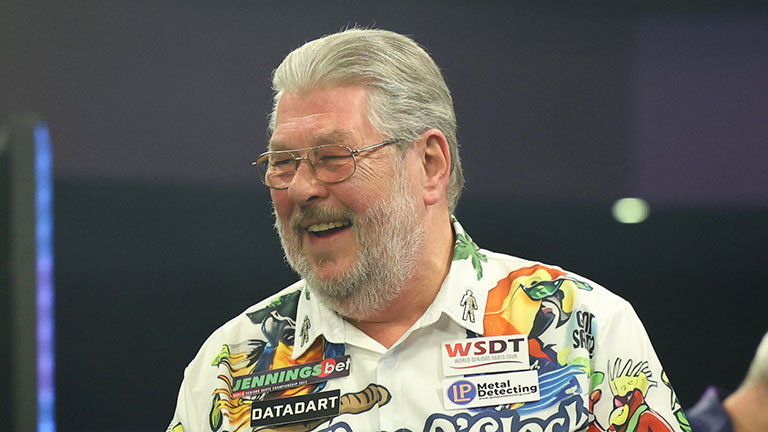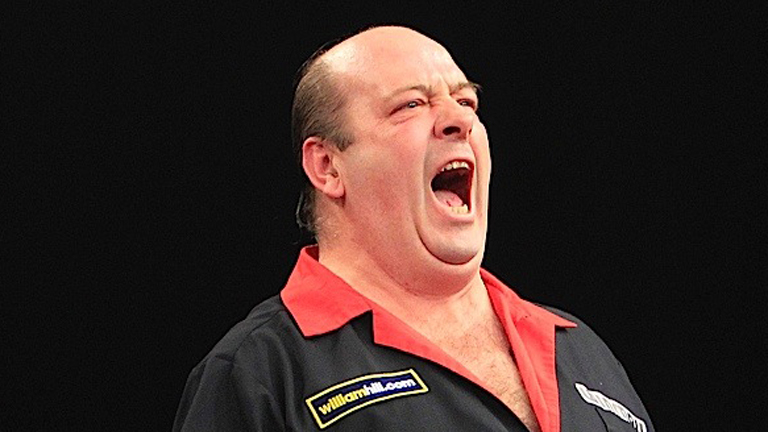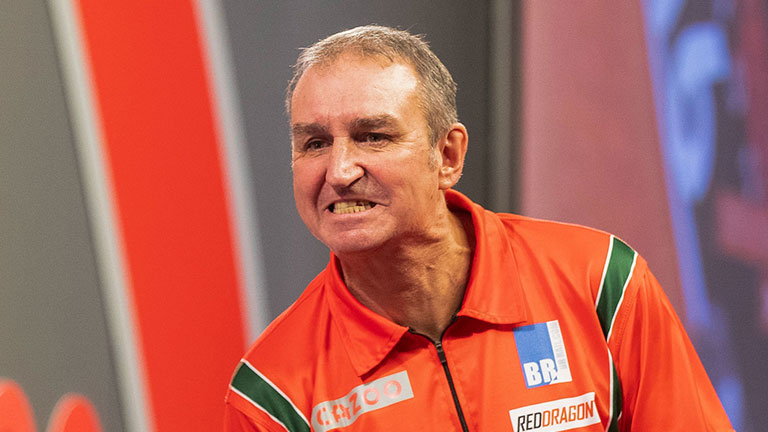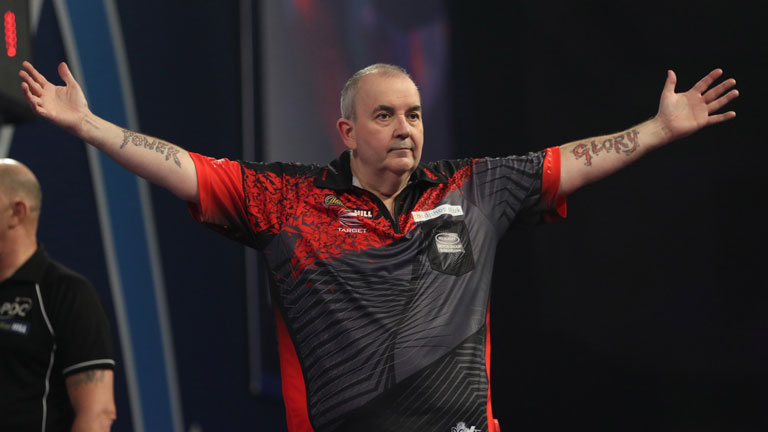
Phil Taylor
The Power
Active: 1987-2018
🇬🇧 England
Walk-on: The Power — Snap!
🏆 Major titles: 95 (WC 14 · PL 6 · Majors 75)
For darts legends, a walk-on track is more than entrance music: it sets match atmosphere, signals stage authority, and became part of each icon's competitive identity across eras.
Use a mixed framework rather than one stat. Start with era-relative dominance (how far ahead they were versus peers), then layer in longevity, title conversion in major finals, and repeatability under pressure. This avoids unfair direct comparisons between different formats, equipment environments, and tournament depth. A legend is usually defined by sustained control of big moments, not one hot season.
Legends are typically superior in leg architecture: they score with purpose, protect checkout routes, and leave preferred doubles repeatedly. Their edge appears after mistakes, where routine and decision quality stay stable instead of becoming reactive. Over long matches, this creates fewer low-value visits and better conversion in high-leverage legs.
Long formats reduce variance. Over extended sets or sessions, random streaks matter less and underlying quality matters more: first-nine consistency, setup precision, and pressure doubles. Players who can maintain process discipline for hours tend to build deeper historical resumes, because they win across changing match states rather than only in short bursts.
Cultural impact should matter, but as a second layer after competitive evidence. A true legend usually combines results with influence: helping shape TV-era darts, crowd behavior, stage standards, or tactical trends copied by later generations. The strongest legacies are those where influence and winning reinforce each other over time.
Watch by sequence, not by highlights. Track each phase of a leg: opening scoring plan, setup decisions, chosen doubles, and response after a miss. Then compare these patterns across multiple tournaments, not one famous match. This method shows whether a player had a transferable high-level process, which is the core of elite legacy.