
Steel Tip vs Soft Tip
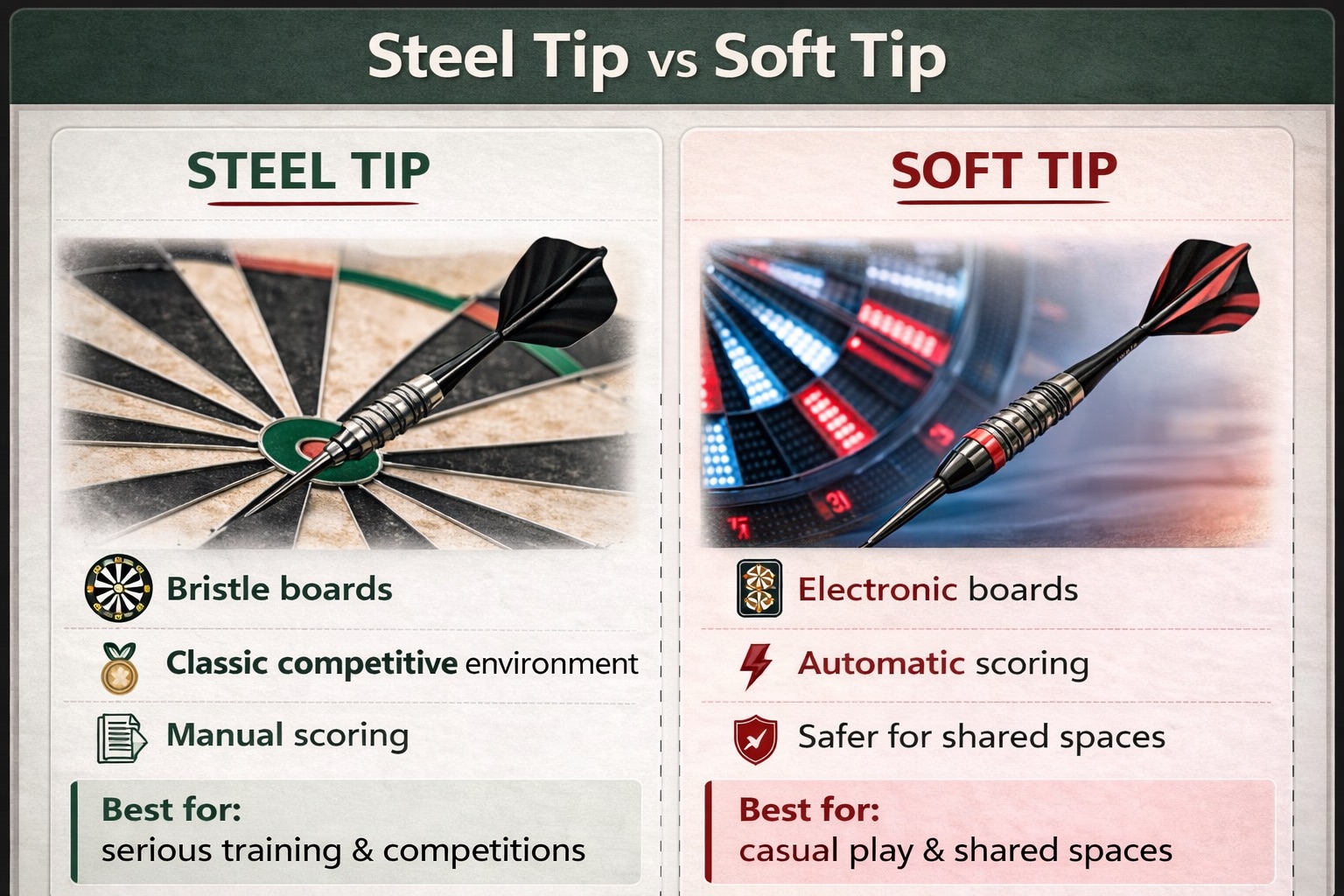
Steel tip and soft tip serve different environments. This guide compares both formats with practical setup implications instead of one-size-fits-all claims.
- Board type defines tip choice Your board type should decide the tip format first.
- Feel and setup differ Expect different feedback, rhythm, and setup tuning across formats.
- Both formats can build strong fundamentals Both formats can build strong fundamentals with consistent practice.
🧭 Choose Steel Tip or Soft Tip
Choose steel tip if...
- You play on bristle boards.
- You want classic matchplay reference conditions.
- You want the closest alignment with common pro environments.
Choose soft tip if...
- You play on electronic boards.
- You want easier score automation at home.
- You need a more shared-space-friendly setup.
📊 Quick format comparison
Use this quick check to decide by environment, scoring context, and feel.
- Board type: steel tip for bristle boards, soft tip for electronic boards.
- Scoring context: soft tip often simplifies home score tracking, steel tip mirrors classic matchplay flow.
- Feel and setup: switching formats changes feedback and may require separate setup notes.
📘 Core explanation
What changes in feel and setup
Tip format changes target surface behavior, feedback, and sometimes preferred weights. Many players also adjust flights and shafts when moving between formats.
Which format suits home play
Soft tip can simplify scoring and reduce surface wear concerns in some homes. Steel tip with proper wall and floor protection remains the natural path for classic matchplay training.
Which format should beginners choose
If your goal is to mirror most standard matchplay references, steel tip is usually the closest path. If your room constraints are stricter, soft tip can still build solid mechanics and consistency.
⚖️ Trade-offs to understand
Pros
- Steel tip aligns with classic double-out matchplay.
- Soft tip can simplify home scoring logistics.
- Both formats can train repeatable throw mechanics.
Watch-outs
- Switching formats without adjustment can disrupt rhythm.
- Equipment overlap is partial, not total.
- Format debates often ignore home constraints and goals.
⚠️ Common mistakes
Mistake 1
Treating one format as universally better.
Fix: Define your main board format first.
Mistake 2
Ignoring board compatibility when buying darts.
Fix: Buy darts and tips only for your actual board compatibility.
Mistake 3
Copying steel tip pro setups on soft tip boards without adaptation.
Fix: Use pro setups as references, not copy-paste defaults across formats.
🛠️ Practical advice
- Define your main board environment first.
- Choose one format as your weekly baseline.
- If you play both, keep separate setup notes.
- Practice finish routines in the format you compete in most.
🛒 Essentials by format
Affiliate note: links below may earn a commission at no extra cost.
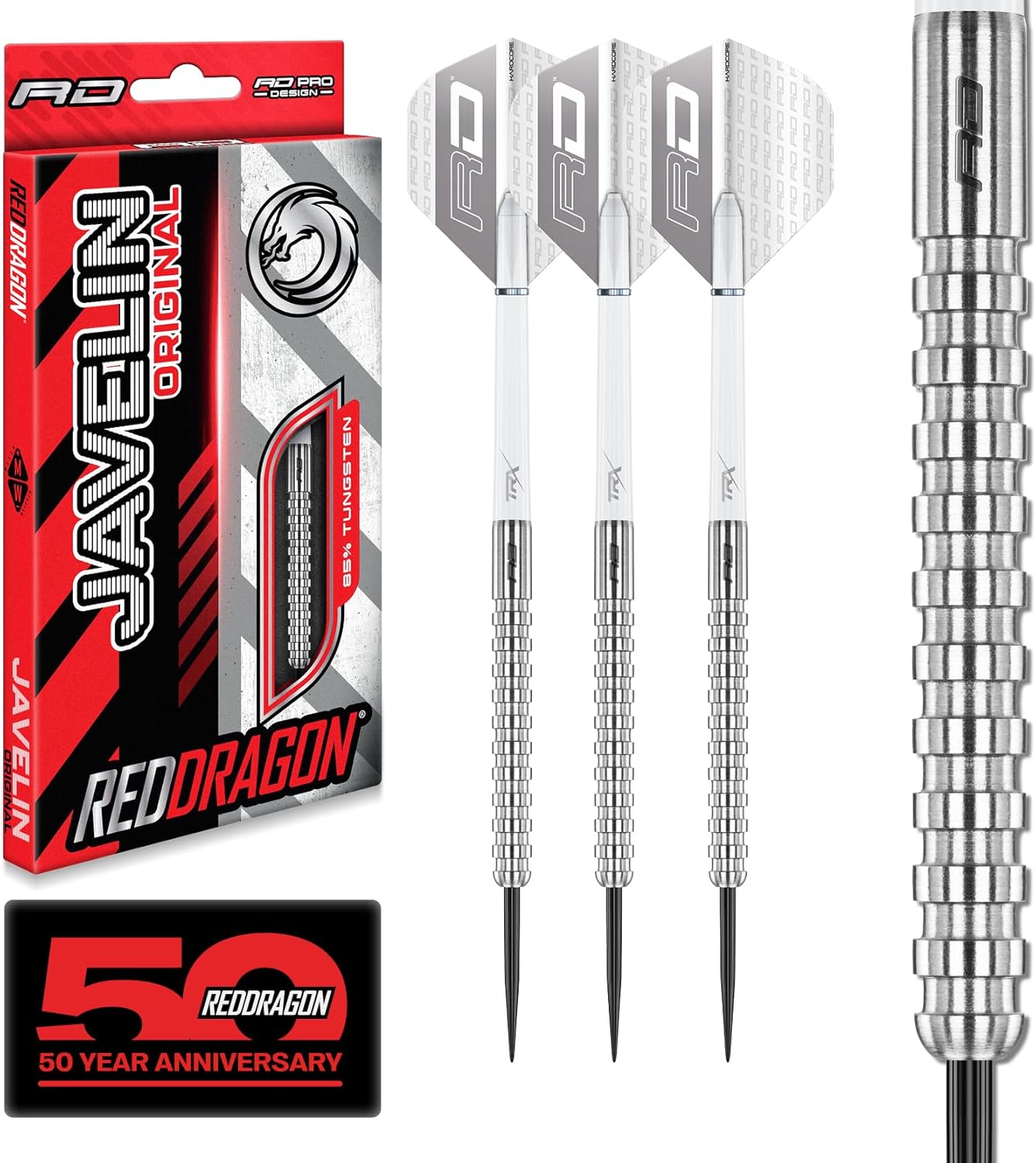
Steel tip baseline
£18.99-£26.00
Red Dragon Javelin Original 85% Tungsten
Best for bristle-board players who want a practical baseline close to classic matchplay rhythm.
View steel tip set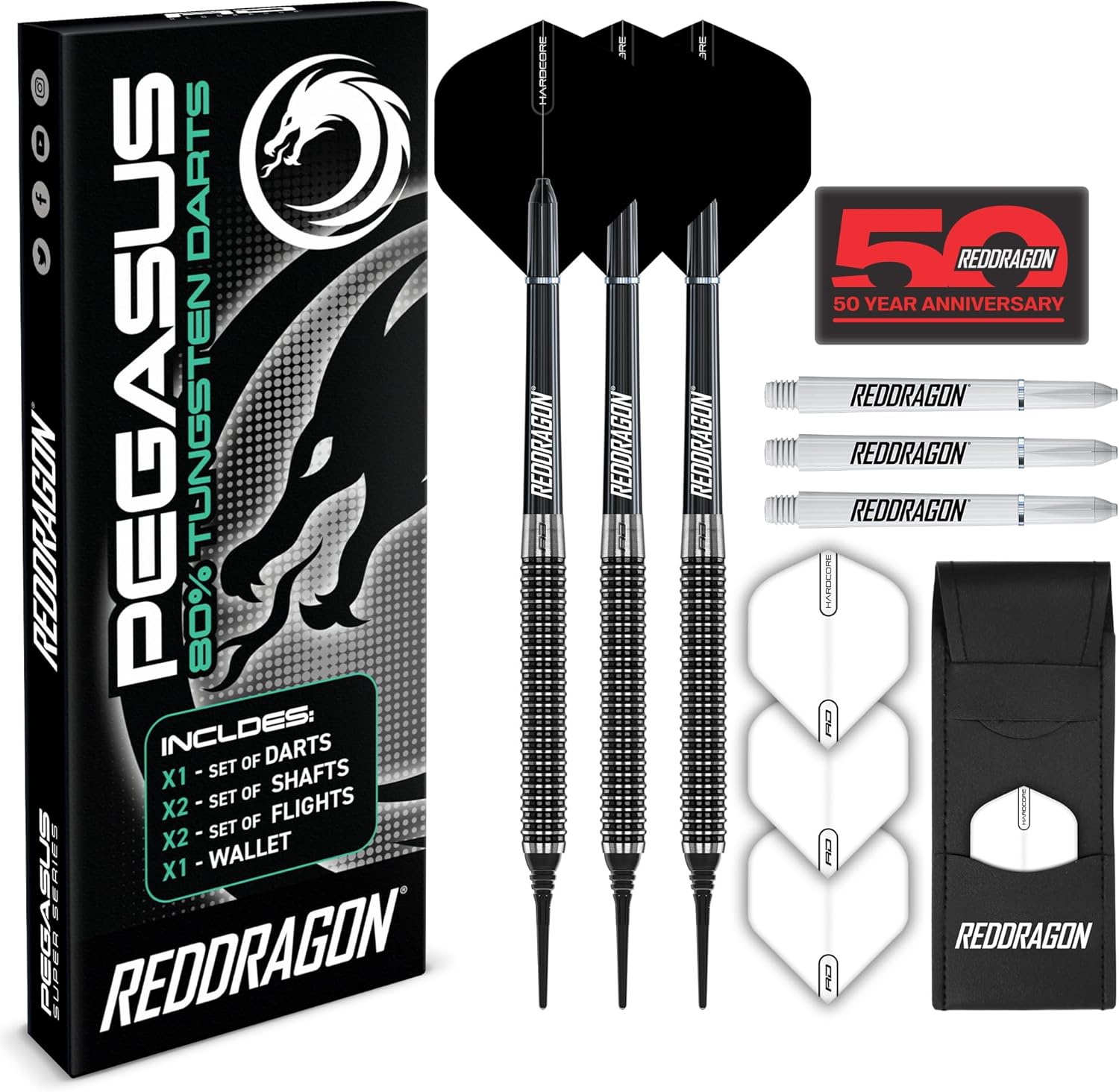
Soft tip starter
£19.99
Red Dragon Pegasus Tungsten Softip Darts Set
Best for electronic-board players who want easier score automation and home-friendly sessions.
View soft tip set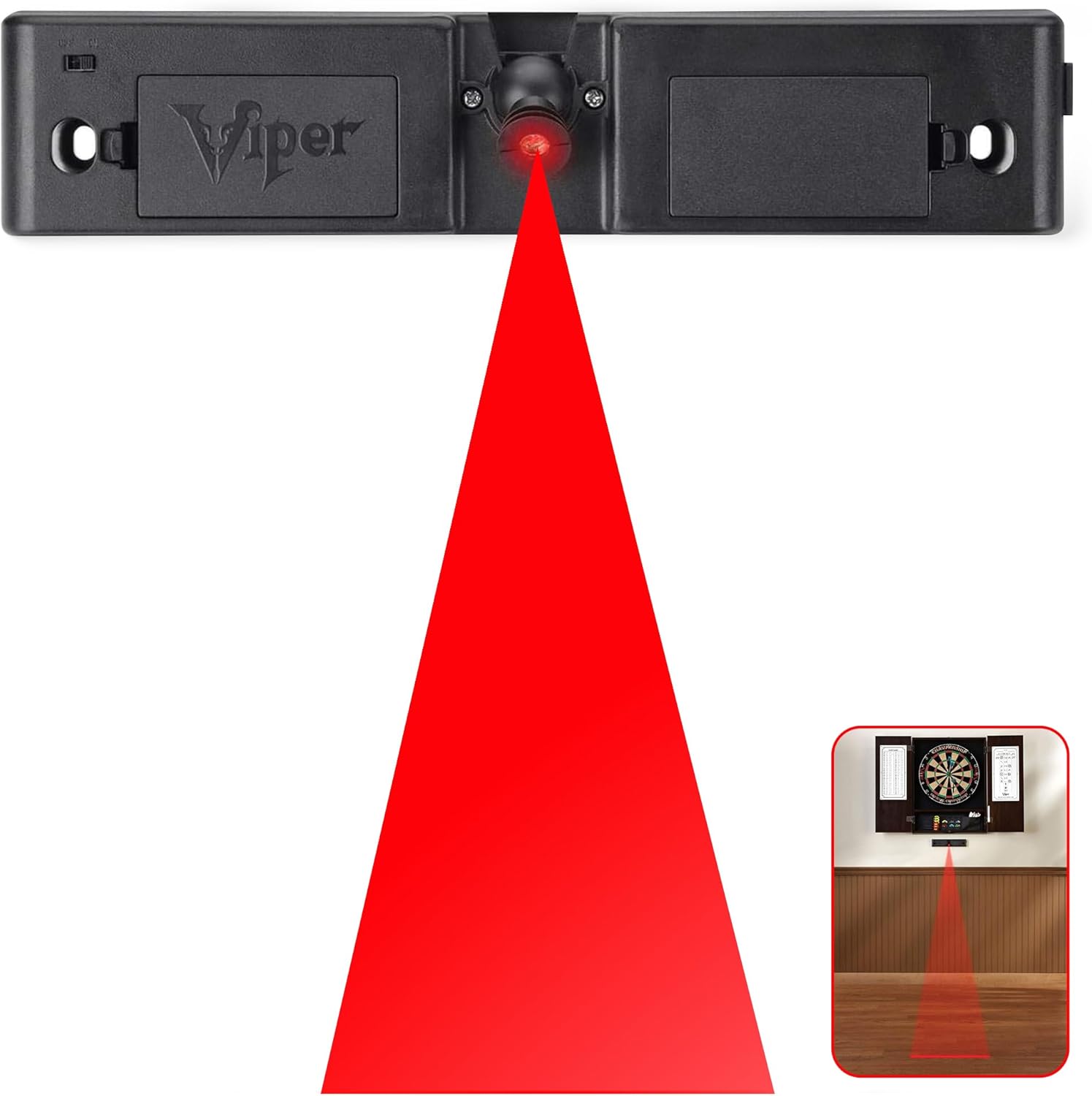
Cross-format accessory
£16.95
Viper Laser Throw/Toe Line Marker
Useful if you switch rooms or formats and need one consistent throwline reference.
View accessoryTurn this setup into better matchplay
Use the right setup to reinforce doubles confidence, route decisions, and repeatable sessions.
❓ Steel Tip vs Soft Tip FAQ
Is steel tip better than soft tip?
Not universally. Steel tip is the main reference for many standard matchplay contexts, while soft tip has strong use cases for electronic boards and home convenience.
Can I train seriously with soft tip?
Yes. You can build strong mechanics and consistency with soft tip when your routine is structured and your board setup is reliable.
Do I need different darts for each format?
Usually yes. Tip type and board compatibility are different, and many players also tune weight and accessories between formats.
Which format is better for beginners at home?
Choose the format that fits your board type, room constraints, and goals. Steel tip mirrors common matchplay references, while soft tip may be easier in shared spaces.
Will switching formats hurt my throw?
It can if you switch without adaptation. Keep separate setup notes and allow short adjustment blocks when changing format.
Should I copy pro steel tip setups right away?
Use them as references, not strict templates. Fit matters more than imitation.
🔎 Sources and Editorial Review
Written by
The Darts Fan editorial team
Reviewed against
WDF Playing Rules, PDC Rules of Darts, and standard matchplay conventions
Last reviewed
March 2026
How this page was built
This guide combines official references, practical home setup logic, and player-context examples to help beginners and improving players make better equipment decisions.
Editorial note
Player setups are examples for context, not one-size-fits-all recommendations.