
Shaft Lengths Explained
Shaft length changes balance and dart attitude in flight. This guide helps you test stem length logically without changing too many variables at once.
- Length affects balance point Stem length shifts the balance point and release feel quickly.
- Small changes can be noticeable Even small stem changes can alter grouping and entry angle.
- Test with fixed flights first Keep flights fixed first so length testing stays readable.
- Pair with barrel profile and throw style Best results come from tuning length with your full setup system.
⚡ At a glance
- Short stems can feel direct and quick Practical reference point to keep decisions clear and repeatable.
- Medium stems are common baseline Keep this stable before exploring advanced setup changes.
- Long stems can increase stability for some styles Practical reference point to keep decisions clear and repeatable.
- Use controlled testing blocks Use one repeatable routine so your decisions come from session data.
📊 Length effects in practice
Stem length influences timing and air behavior through balance shift.
- Short: often faster, sometimes less forgiving.
- Medium: balanced baseline for most tests.
- Long: can help stabilization depending on release path.
📘 Core explanation
How shaft length changes feel
Changing stem length moves balance and can alter perceived release timing. Many players notice this quickly on doubles and grouping drills.
How to pair shafts with flights
Keep one flight shape while testing length first. Once length baseline is clear, test additional flight adjustments if needed.
How to run a useful test cycle
Test short, medium, and long shafts over repeated sessions with identical target routines and scoring logs.
🎯 Real player context
Top players show that similar weight ranges can still require different setup geometry based on personal release.
Treat shaft length as part of your setup system, not as an isolated upgrade.
⚖️ Trade-offs to understand
Pros
- Better stem fit can improve grouping stability.
- Length tuning is low-cost and practical.
- Controlled tests give quick feedback.
Watch-outs
- Too many simultaneous changes hide outcomes.
- One short session can mislead selection.
- Length changes cannot fix poor setup geometry.
⚠️ Common mistakes
Mistake 1
Changing shafts and barrels together.
Mistake 2
Picking length by looks only.
Mistake 3
Ignoring repeated-session averages.
🛠️ Practical advice
- Use one stem length per week block.
- Track miss tendencies by bed target.
- Re-test preferred length monthly.
- Keep backup stems of your chosen length.
🛒 Shaft testing essentials
Affiliate note: links below may earn a commission at no extra cost.
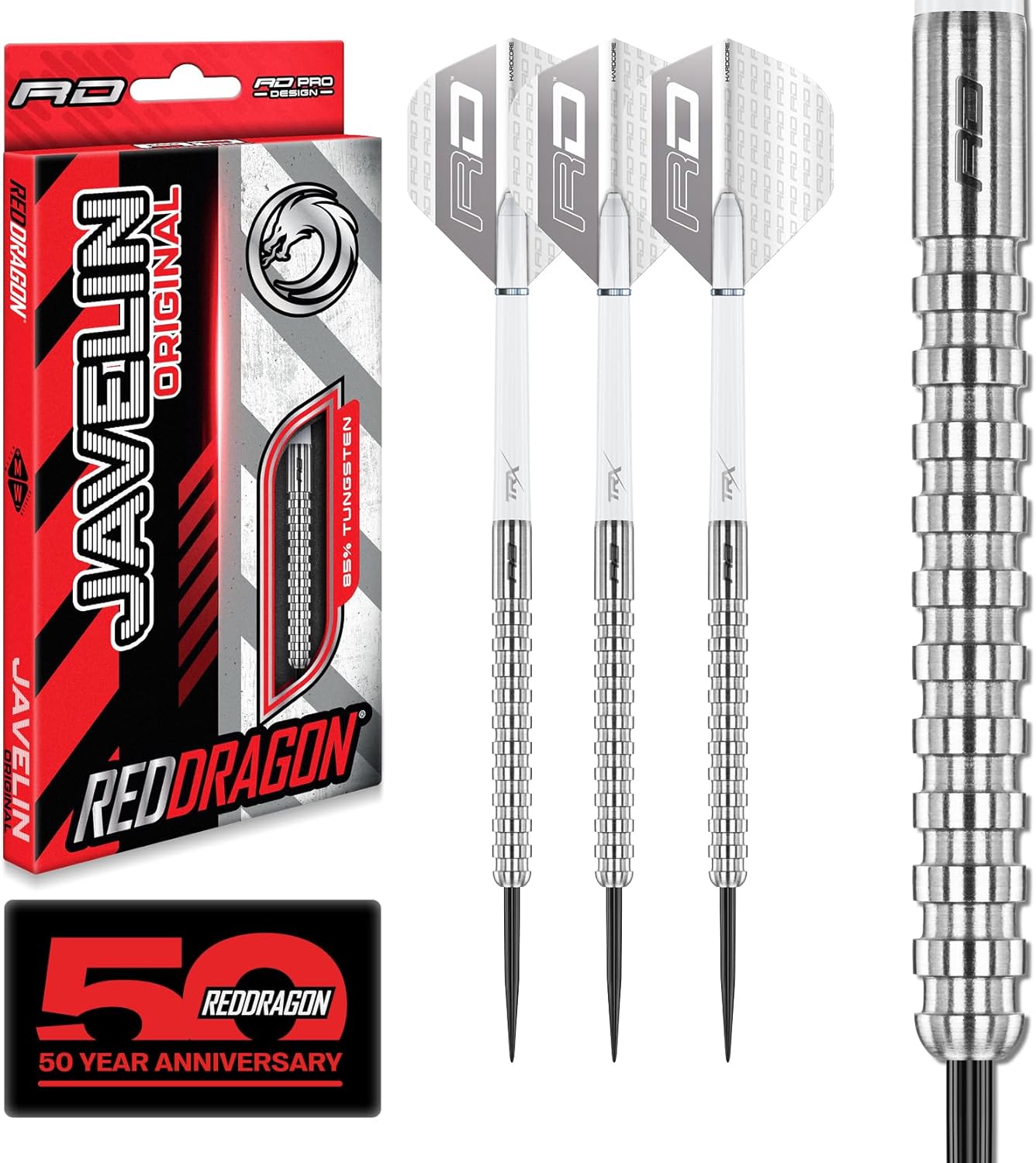
Baseline set
£18.99
Red Dragon Javelin Tungsten Checkout
Stable baseline set for controlled short/medium/long shaft testing routines.
View baseline set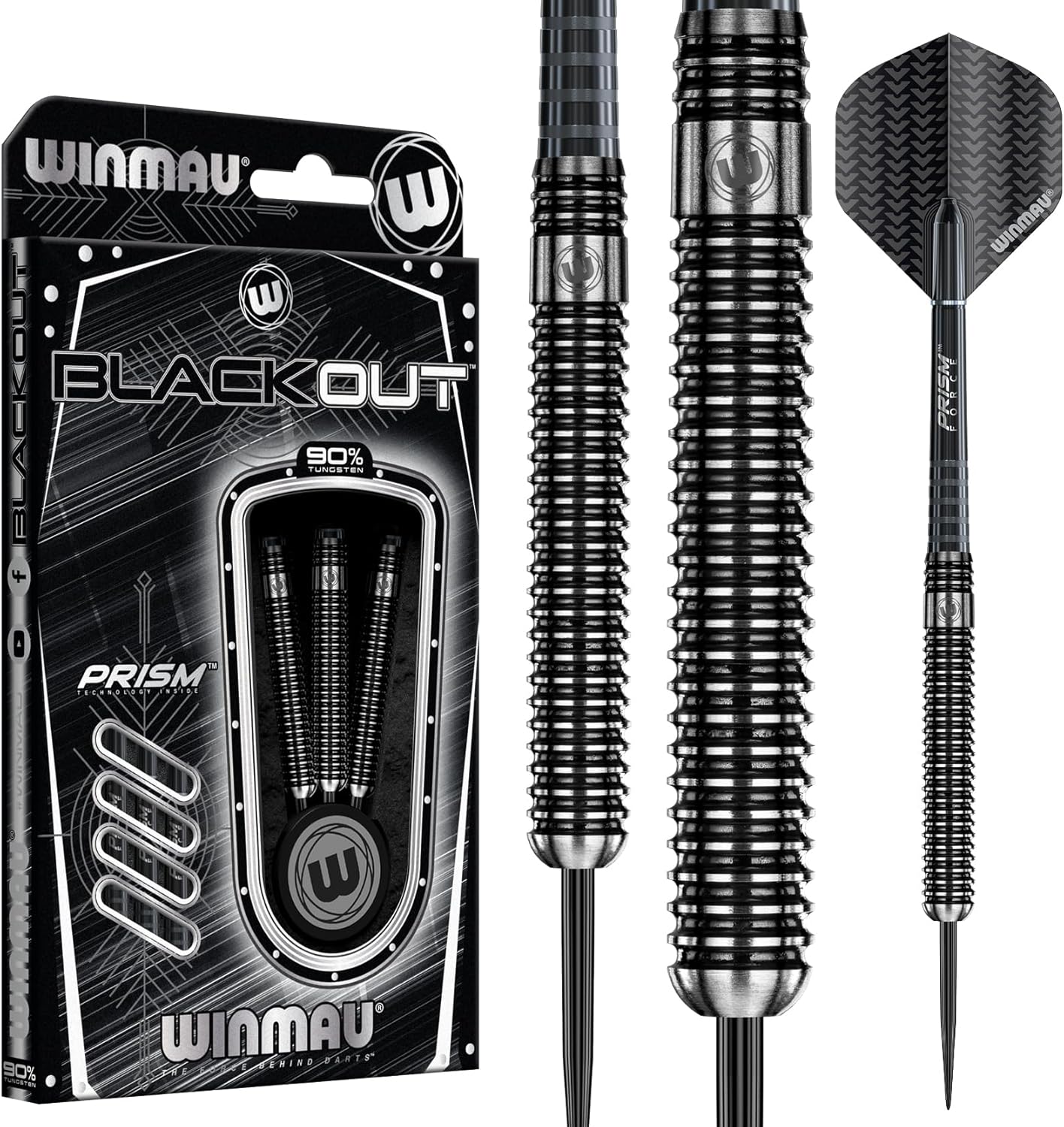
Amateur step-up
£50.00
Winmau Blackout Tungsten Black Professional
Good step-up set if you want to test shaft changes on a more premium baseline.
View amateur optionAccessory bundle
Short/Medium/Long stem sets
Useful add-on bundle so you can test length changes without changing your full dart setup.
View stem setsTurn this setup into better matchplay
Use the right setup to reinforce doubles confidence, route decisions, and repeatable sessions.
❓ Shaft Lengths Explained FAQ
Do shaft lengths really matter?
Yes. Shaft length changes balance and can influence dart attitude and release timing.
Which shaft length should beginners use first?
Medium is usually a practical baseline before testing short or long alternatives.
Should I change flights when testing shafts?
Not at first. Keep flights fixed to isolate shaft length effects clearly.
Can short shafts improve grouping?
For some players, yes. For others, they can feel less forgiving. Controlled testing decides.
Do pro players use one universal shaft length?
No. Player setups vary based on throw mechanics and full equipment architecture.
How often should I retest shaft length?
Retest after form changes or major setup adjustments, and validate over multiple sessions.
🔎 Sources and Editorial Review
Written by
The Darts Fan editorial team
Reviewed against
WDF Playing Rules, PDC Rules of Darts, and standard matchplay conventions
Last reviewed
March 2026
How this page was built
This guide combines official references, practical home setup logic, and player-context examples to help beginners and improving players make better equipment decisions.
Editorial note
Player setups are examples for context, not one-size-fits-all recommendations.