
How to Protect Your Wall and Floor
Wall and floor protection keeps home practice sustainable. This guide explains simple protection systems that reduce damage without overcomplicating your setup.
- Surround protects common misses A surround catches common misses and limits wall damage.
- Mats protect floors and throwline consistency Mats protect floors and keep throwline references stable.
- Shared-space planning lowers risk Room flow and retrieval rules reduce shared-space risk.
🛡️ Protection Plan by Priority
- Protect the board perimeter first A surround catches the highest-frequency near misses and reduces wall damage quickly.
- Protect the bounce-out zone second A non-slip mat protects floors and keeps your throwline reference stable session after session.
- Protect movement flow in shared rooms Set retrieval and no-walk rules so room traffic does not cross active throw paths.
📊 Protection Layers
Layer protection in the order that prevents the most common home-practice damage first.
- Surround layer: catches near-miss wall impacts around the board perimeter.
- Floor-mat layer: protects bounce-out zones and keeps throwline habits consistent.
- Room-layout layer: secures retrieval flow and shared-space movement safety.
📘 Core explanation
Wall protection essentials
A board surround catches many near-miss darts and protects paint or panel surfaces. It is one of the most practical upgrades for frequent home play.
Floor protection and oche consistency
Floor mats help absorb drop impact and add a stable throwline reference. This protects surfaces and supports repeatable distance habits.
Safety in shared spaces
Plan movement and retrieval flow so other people are not crossing active throw paths. Simple room rules reduce avoidable risk.
📦 Common Setup Levels
Minimum setup
Surround only. Fast wall-perimeter protection for low to moderate practice volume.
Recommended regular-practice setup
Surround + floor mat. Better wall and floor coverage with repeatable throwline control.
Shared-room setup
Surround + mat + movement rules and extra room protection for safer multi-user spaces.
⚖️ Trade-offs to understand
Pros
- Reduces damage and maintenance stress.
- Improves confidence during aggressive practice.
- Supports safe long-term routine in shared homes.
Watch-outs
- Minimal protection can become costly over time.
- Poor layout still creates safety issues.
- Cheap unstable mats can shift and reduce consistency.
⚠️ Common Protection Mistakes
Mistake 1
Using no surround in regular practice.
Fix: Start with wall perimeter protection before high-volume sessions.
Mistake 2
Treating floor protection as optional.
Fix: Add a non-slip mat to protect the floor and lock throwline repeatability.
Mistake 3
Ignoring shared-space movement safety.
Fix: Set retrieval and no-walk rules in shared spaces.
🛠️ Practical advice
- Check surround coverage after high-volume sessions.
- Re-align mat and throwline references weekly.
- Confirm no-walk and retrieval rules before shared-room sessions.
- Inspect wall and floor wear points monthly.
🛒 Protection essentials
Affiliate note: links below may earn a commission at no extra cost.
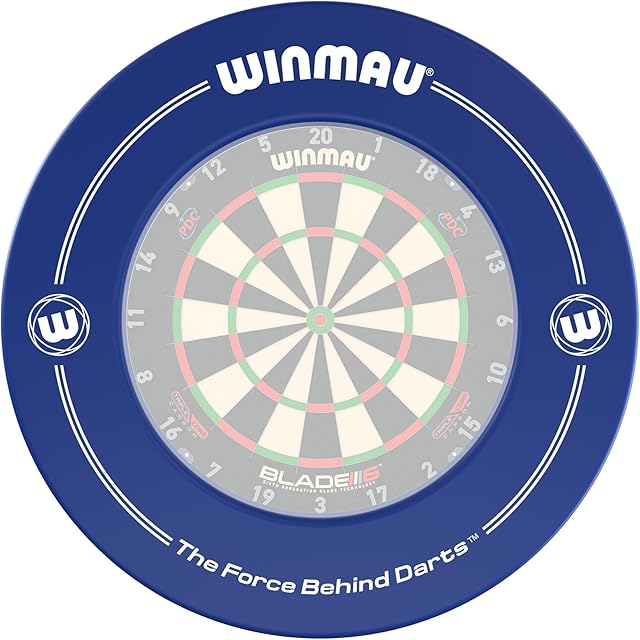
Perimeter protection
£39.35
Winmau Pro-Line Dartboard Surround
Protects the board perimeter first and reduces the most common wall damage quickly.
View surround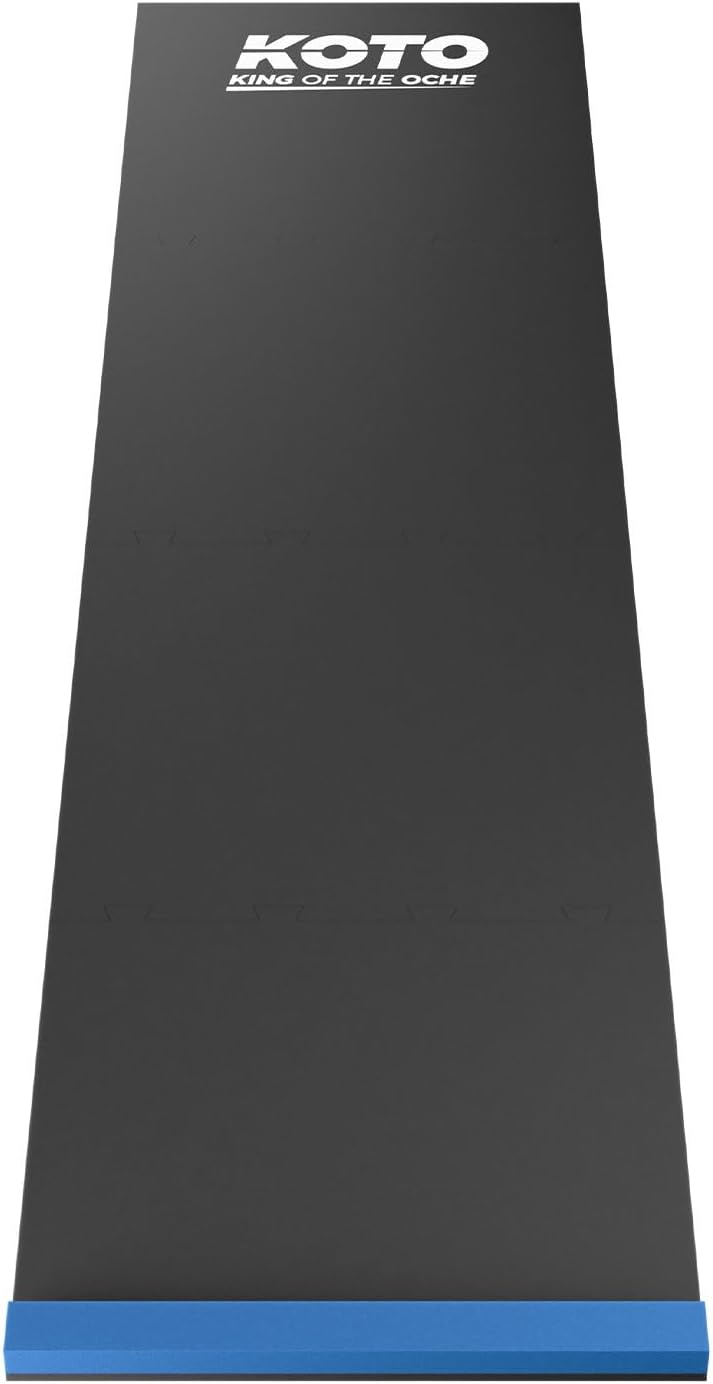
Floor / throwline protection
KOTO Puzzle Dart Mat with Raised Oche
Best next step after a surround: protects bounce-out zones and stabilizes throwline reference.
View floor mat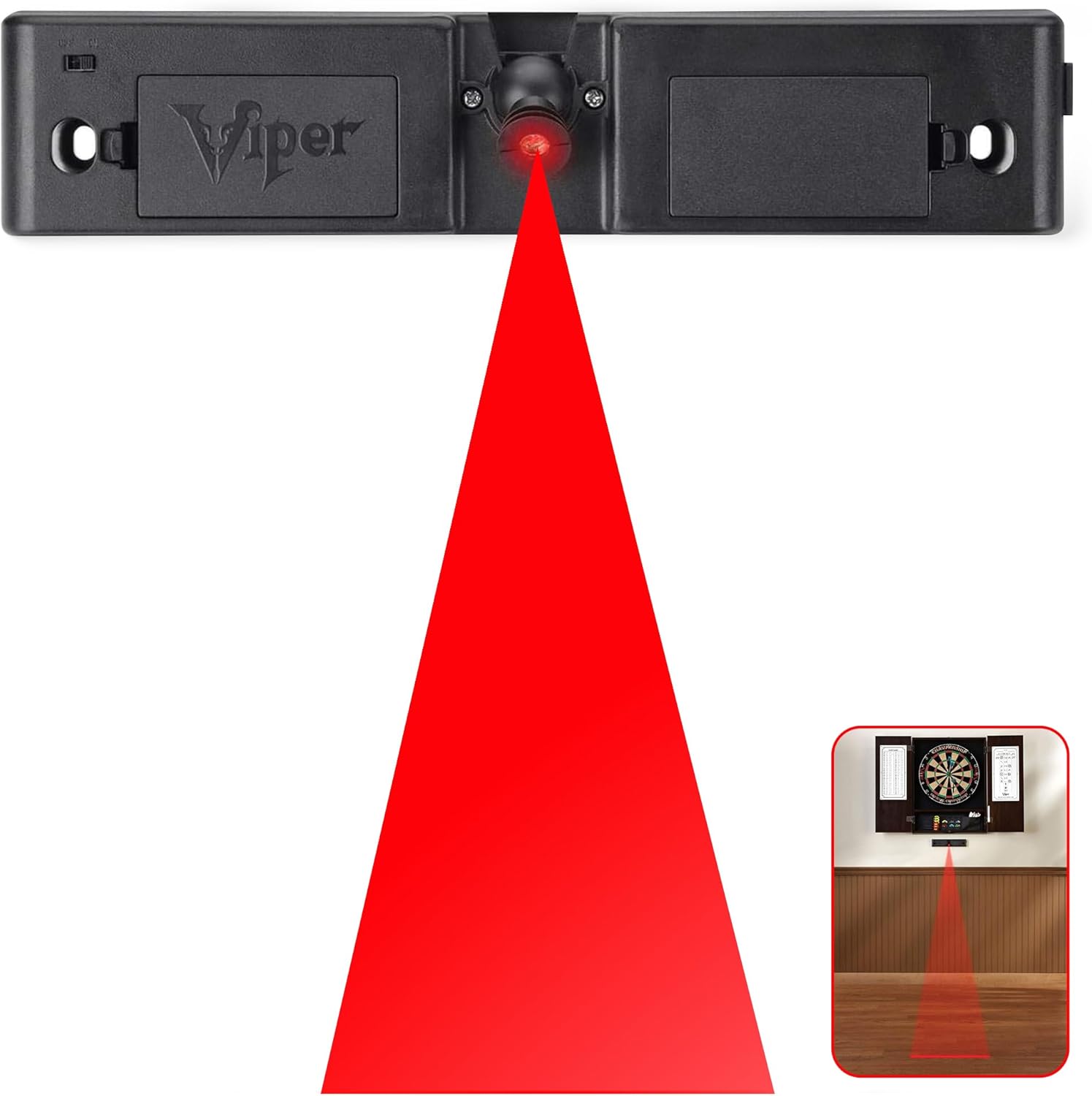
Extra room protection
£16.95
Viper Laser Throw/Toe Line Marker
Useful when setups move often and you need fast, repeatable throwline resets.
View line markerTurn this setup into better matchplay
Use the right setup to reinforce doubles confidence, route decisions, and repeatable sessions.
Best dartboard room setup
Plan throw-lane flow, lighting quality, and noise control.
Open room setupEquipmentBoard height and distance
Use official values and board-face measurement origin.
Open measurementsEquipmentHome dartboard setup
Set accurate measurements, lighting, and protection layers.
Open setup❓ How to Protect Your Wall and Floor FAQ
Do I really need a dartboard surround at home?
For regular practice, yes. It reduces common wall damage from near misses and bounce-outs.
Are floor mats mainly for comfort or protection?
Both. They protect surfaces and help maintain a consistent throwline reference.
Can protection improve my practice quality?
Yes. Better protection reduces caution and lets you practice with more confidence and consistency.
What if I play in a shared room?
Use clear throw-lane rules, protection layers, and retrieval habits to keep sessions safe.
Do I need expensive protection gear?
Not necessarily. Simple, stable protection components often provide strong results.
How often should I review protection setup?
Check wear and stability monthly, or sooner if your board area is heavily used.
🔎 Sources and Editorial Review
Written by
The Darts Fan editorial team
Reviewed against
WDF Playing Rules, PDC Rules of Darts, and standard matchplay conventions
Last reviewed
March 2026
How this page was built
This guide combines official references, practical home setup logic, and player-context examples to help beginners and improving players make better equipment decisions.
Editorial note
Player setups are examples for context, not one-size-fits-all recommendations.