
Dartboard Lighting Guide
Lighting quality directly affects confidence on doubles and tight beds. This guide helps you build a clean, low-glare visual environment.
- Shadow control is critical Shadow control is one of the fastest confidence upgrades.
- Board-focused light beats room light alone Board-focused lighting outperforms ceiling light-only setups.
- Glare hurts double confidence Glare creates visual noise and hurts doubles confidence.
- Consistent lighting supports repetition Fixed lighting positions improve repeatable scoring sessions.
⚡ At a glance
- Use dedicated board lighting Clear board visibility protects timing confidence and focus.
- Reduce side glare and hotspots Clear board visibility protects timing confidence and focus.
- Keep throw position visibility stable Practical reference point to keep decisions clear and repeatable.
- Check readability at full distance Lock this reference first so your setup stays accurate.
📊 Lighting setup priorities
Focus on visibility consistency before decorative choices.
- Uniform board illumination.
- Minimal shadow overlap around doubles.
- Comfortable brightness for long sessions.
📘 Core explanation
Why lighting changes results
Poor lighting reduces visual confidence and target clarity, especially on doubles and treble beds. Better lighting often improves decision calm and grouping quality.
How to reduce glare and shadow
Use board-focused ring or directional setups and avoid strong side hotspots. Verify from throw position, not from beside the board.
How to maintain visual consistency
Keep lighting position fixed and recheck after any room changes. Stable visual references are essential for transferable practice.
🎯 Real player context
Top-level setup references are useful, but visibility quality is the hidden multiplier for day-to-day consistency.
Premium darts without reliable lighting still produce avoidable inconsistency.
⚖️ Trade-offs to understand
Pros
- Better board readability improves confidence.
- Less shadow means clearer bed targeting.
- Stable lighting supports repeatable routines.
Watch-outs
- Wrong brightness can cause fatigue.
- Poor placement creates glare and visual noise.
- Inconsistent light location hurts adaptation.
⚠️ Common mistakes
Mistake 1
Relying on ceiling light only.
Mistake 2
Ignoring throw-position glare.
Mistake 3
Using changing light temperatures session to session.
🛠️ Practical advice
- Test light from the oche position.
- Record preferred brightness and angle.
- Keep a clean board surface to reduce reflections.
- Recheck lighting after room rearrangement.
🛒 Lighting setup options
Affiliate note: links below may earn a commission at no extra cost.
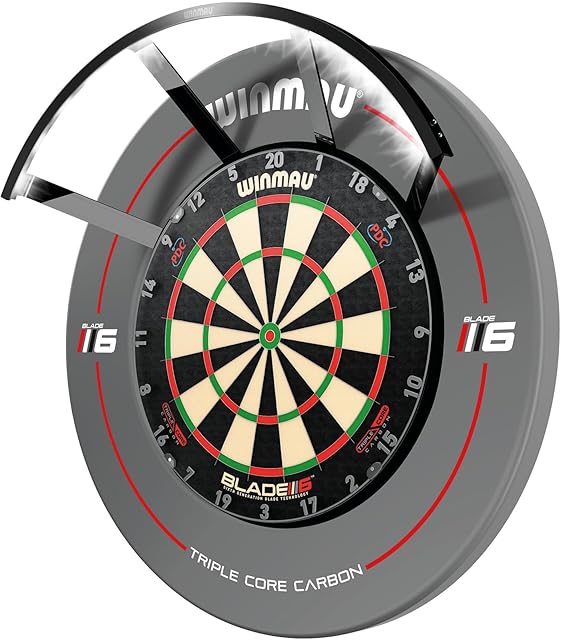
Primary light
£44.02
Winmau Polaris 120° Dartboard Light
Dedicated board light to reduce shadows and improve bed readability.
View light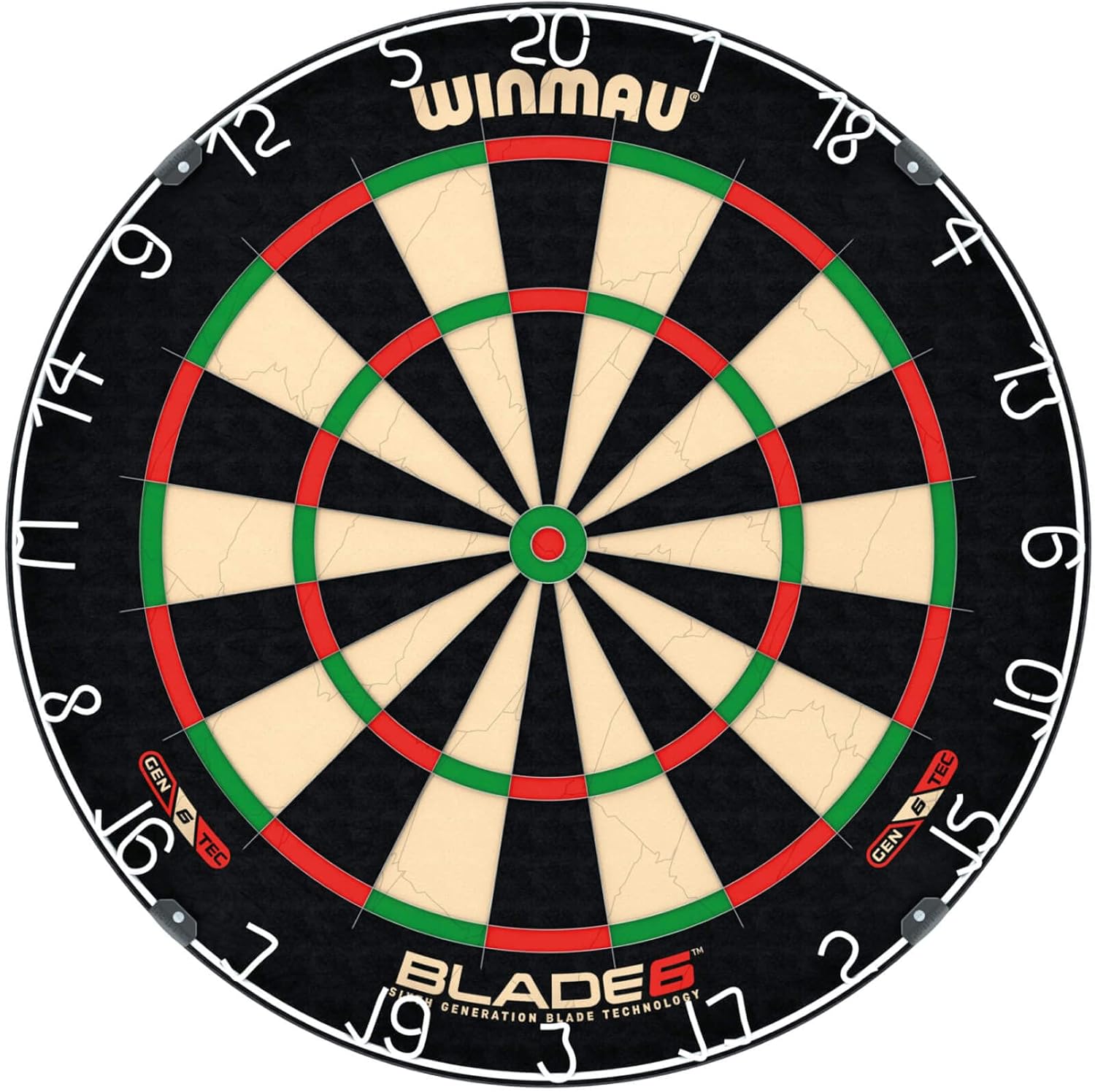
Board pairing
£61.35
Winmau Blade 6 Dual Core Dartboard
Reliable board pairing so lighting checks stay consistent session after session.
View board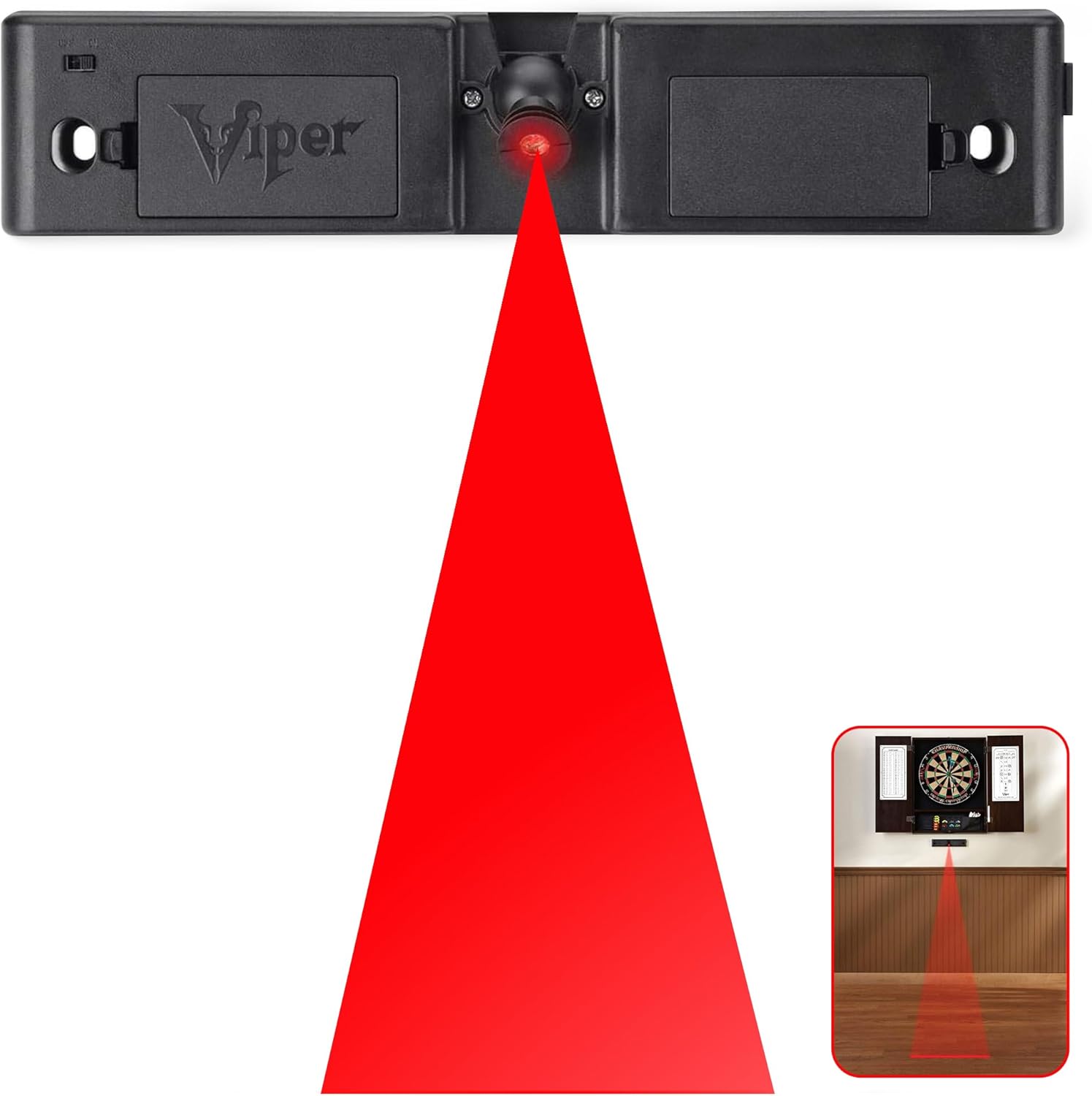
Setup consistency
£16.95
Viper Laser Throw/Toe Line Marker
Helps keep your throw position fixed while validating lighting from the real oche line.
View line markerTurn this setup into better matchplay
Use the right setup to reinforce doubles confidence, route decisions, and repeatable sessions.
❓ Dartboard Lighting Guide FAQ
Do I need dedicated dartboard lighting?
It is strongly recommended for consistent visibility and reduced shadow interference.
Can bad lighting hurt checkout practice?
Yes. Visual uncertainty on doubles can increase hesitation and miss rates.
Is brighter always better?
No. Uniform and comfortable light usually outperforms harsh brightness and glare.
Should I change lighting for daytime and night sessions?
Try to keep conditions as consistent as possible for transferable practice.
Can ring lights reduce shadows significantly?
Yes, when positioned correctly they can improve board-wide visibility.
How often should I recheck lighting alignment?
Check after any board movement or room furniture changes that affect angles.
🔎 Sources and Editorial Review
Written by
The Darts Fan editorial team
Reviewed against
WDF Playing Rules, PDC Rules of Darts, and standard matchplay conventions
Last reviewed
March 2026
How this page was built
This guide combines official references, practical home setup logic, and player-context examples to help beginners and improving players make better equipment decisions.
Editorial note
Player setups are examples for context, not one-size-fits-all recommendations.