
Dart Grip Explained
Grip quality is about repeatability, not force. This guide explains practical grip logic and how to reduce release variability in real matches.
- Consistency beats force Repeatable grip pressure matters more than gripping harder.
- Pressure control matters Small pressure control gains can clean up release consistency.
- Grip links to barrel profile Grip quality depends on barrel profile and setup fit.
- Simple routines improve repeatability Simple routines help your grip survive pressure moments.
⚡ At a glance
- Use stable finger reference points Practical reference point to keep decisions clear and repeatable.
- Avoid over-gripping Practical reference point to keep decisions clear and repeatable.
- Check release tension under pressure Practical reference point to keep decisions clear and repeatable.
- Keep grip tests simple Use one repeatable routine so your decisions come from session data.
📊 Grip fundamentals
Reliable grip is a repeatable process, not one static pose.
- Stable finger indexing on barrel.
- Controlled pressure through release.
- Minimal unnecessary hand tension.
📘 Core explanation
What a good grip does
A good grip helps you repeat release mechanics with less tension and fewer late corrections. It should feel stable but not rigid.
How grip interacts with equipment
Barrel shape, grip texture, and weight all influence what feels natural. Grip improvement is easier when setup components support your hand position.
How to improve grip consistency
Use a fixed pre-throw routine, one grip cue, and simple pressure checks during doubles practice. Small repeatable cues outperform constant reinvention.
🎯 Real player context
Player setups differ, but top-level performance still depends on repeatable grip-and-release routines.
Equipment can support grip quality, but consistent routine is the actual multiplier.
⚖️ Trade-offs to understand
Pros
- Better grip consistency improves release quality.
- Reduced tension often improves doubles confidence.
- Simple cues hold up under pressure.
Watch-outs
- Over-coaching grip can create tension.
- Constant grip changes delay progress.
- Grip tweaks without setup checks can mislead.
⚠️ Common mistakes
Mistake 1
Gripping too tightly on pressure darts.
Mistake 2
Changing grip style every session.
Mistake 3
Ignoring how barrel profile affects hand position.
🛠️ Practical advice
- Pick one primary grip cue.
- Use slow rhythm drills for release control.
- Record when grip breaks under pressure.
- Revisit setup fit if grip feels forced.
🛒 Grip-focused setup options
Affiliate note: links below may earn a commission at no extra cost.
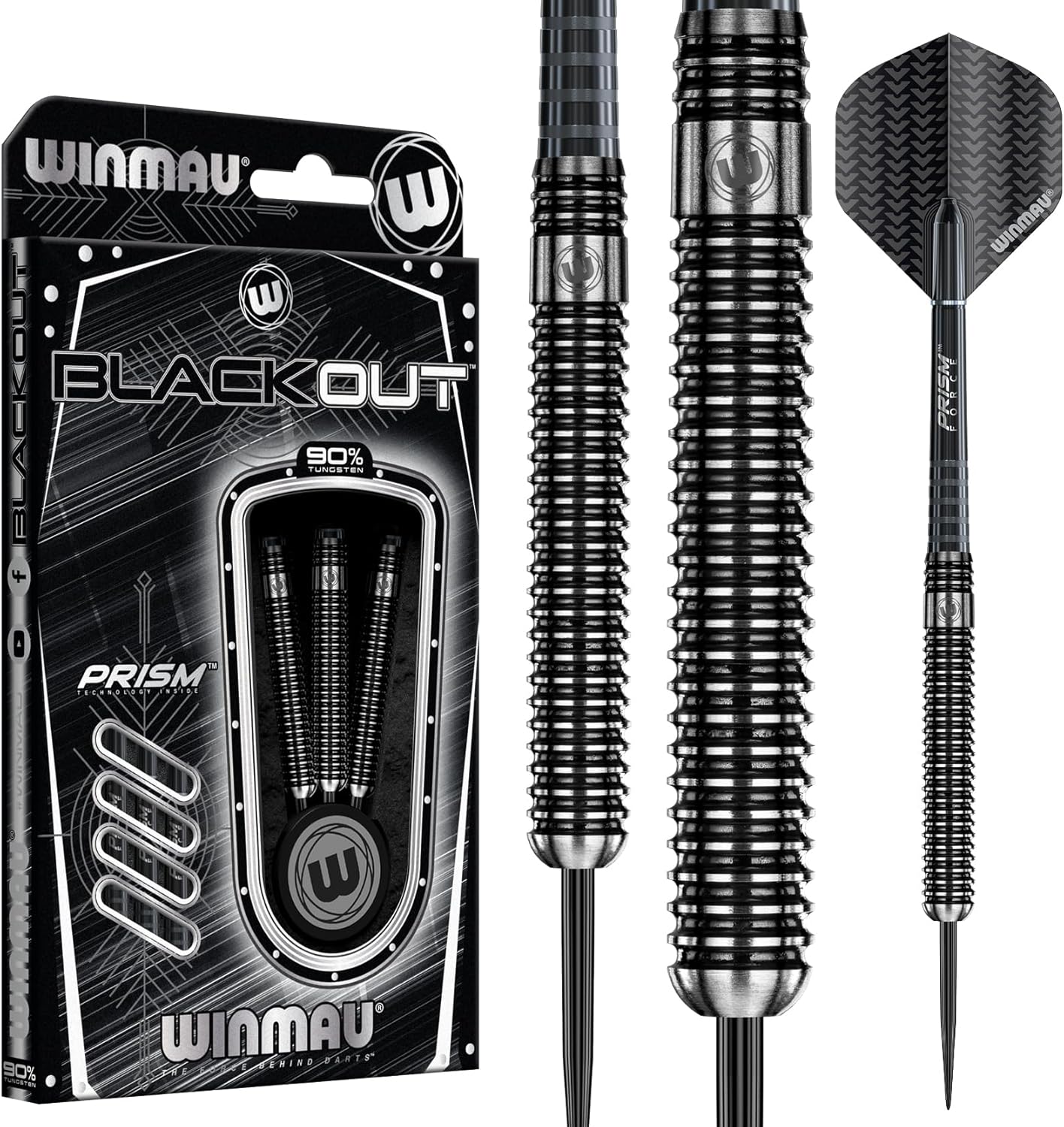
Reference grip
£50.00
Winmau Blackout Tungsten Black Professional
Strong grip-reference option for testing repeatable finger indexing and release pressure.
View grip reference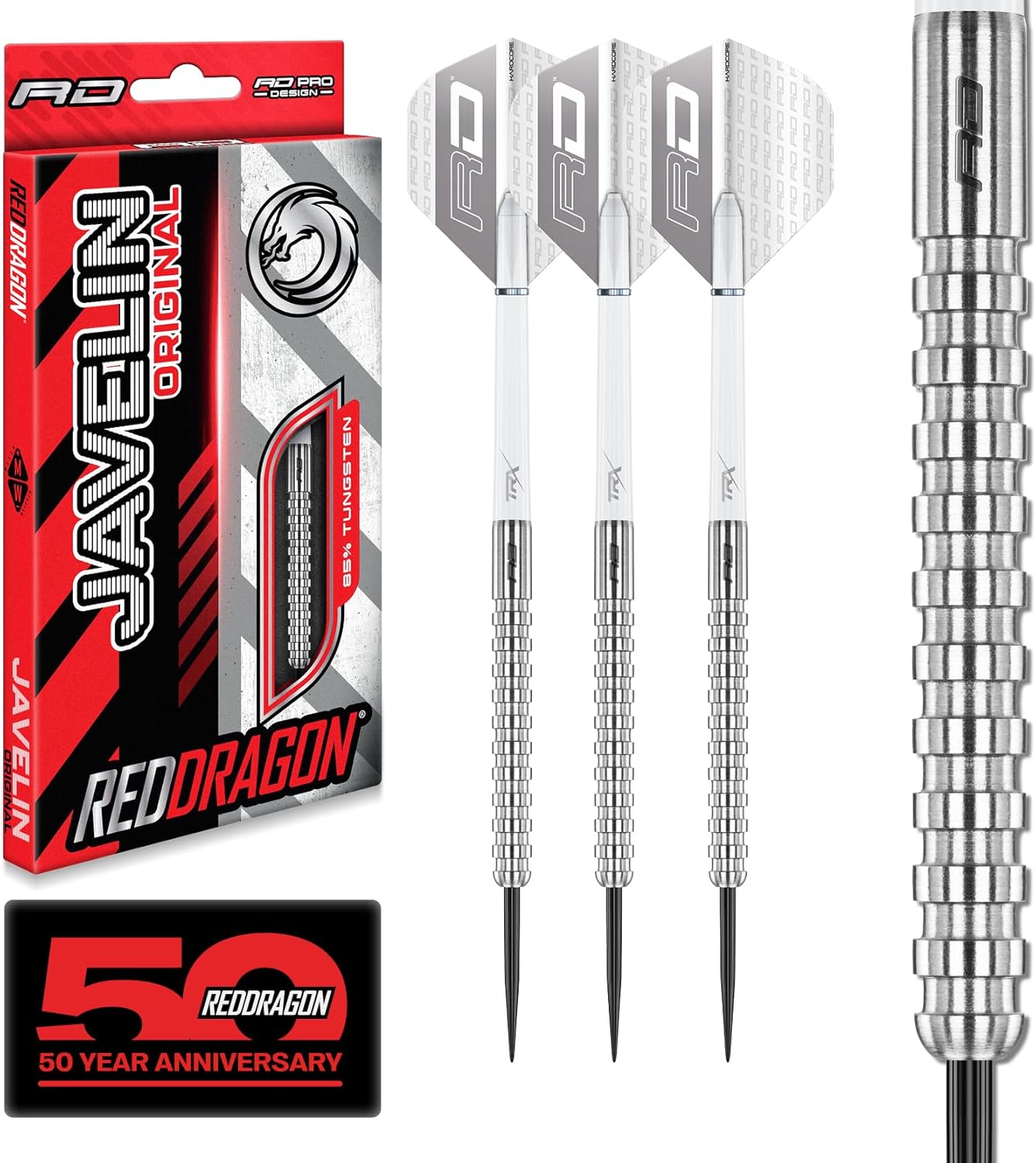
Straight-profile baseline
£18.99-£26.00
Red Dragon Javelin Original 85% Tungsten
Clean baseline option for grip routine drills without overcomplicated setup changes.
View baseline set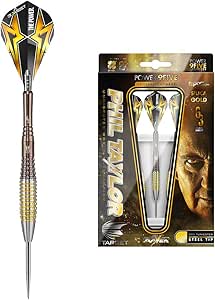
Legend grip contrast
£104.99
Target Phil Taylor Power 9Five G3
Useful contrast option when you want to compare grip texture feel against your baseline setup.
View grip contrastTurn this setup into better matchplay
Use the right setup to reinforce doubles confidence, route decisions, and repeatable sessions.
❓ Dart Grip Explained FAQ
How hard should I grip a dart?
Firm enough for control, but not so tight that release becomes forced or jerky.
Can grip alone fix inconsistent scoring?
Grip helps, but setup fit, routine quality, and throw mechanics also matter.
Should I copy a pro grip style?
Use it as reference only. Your hand size and release pattern need a personalized fit.
Do barrel textures matter for grip?
Yes. Texture changes finger feedback and can influence pressure control.
How can I test grip changes safely?
Change one variable at a time and validate in repeated drills, especially on doubles.
Can grip break down under pressure?
Yes. Under pressure, over-tension is common, so routine and breathing cues help maintain consistency.
🔎 Sources and Editorial Review
Written by
The Darts Fan editorial team
Reviewed against
WDF Playing Rules, PDC Rules of Darts, and standard matchplay conventions
Last reviewed
March 2026
How this page was built
This guide combines official references, practical home setup logic, and player-context examples to help beginners and improving players make better equipment decisions.
Editorial note
Player setups are examples for context, not one-size-fits-all recommendations.