
Best Dartboard Room Setup
A good room setup is about flow and repeatability, not luxury. This guide helps you build a practical darts space that supports long-term practice.
- Throw lane clarity first Prioritize throw-lane flow before decoration or accessories.
- Lighting quality over decoration Consistent board lighting is a bigger win than visual style upgrades.
- Noise and safety planning matter Plan for safety and noise early to keep practice sustainable.
🗺️ Room Setup Priorities
- Clear throw lane Practical reference point to keep decisions clear and repeatable.
- Stable board lighting Clear board visibility protects timing confidence and focus.
- Protection + noise control Build repeatable sessions with lower room risk and disruption.
- Simple storage for routine Keep this stable before exploring advanced setup changes.
🧭 Plan the Room in This Order
- Choose the wall and lane start with throw-path clarity, safe retrieval, and low traffic crossings.
- Test lighting from throw position lock board-focused light and remove glare before adding extras.
- Add protection and reduce hard-surface noise cover miss zones and floor impact points early.
- Add storage that lowers friction keep darts and essentials visible and outside the active lane.
📘 Core explanation
Space and movement flow
Prioritize clear movement between oche and board. Remove visual clutter around the target area to keep focus stable during long sessions.
Lighting and visibility consistency
Use board-focused lighting and reduce harsh side glare. Reliable visibility helps doubles and grouping more than decorative room upgrades.
Safety and long-term usability
Protect walls and floors, especially in shared spaces. Keep dart storage and retrieval easy so routine stays smooth and repeatable.
⚠️ Common mistakes
Mistake 1
Choosing room by wall space only.
Fix: Choose wall and lane flow first, then mount equipment.
Mistake 2
Using mixed harsh light sources.
Fix: Use one board-focused lighting system and remove side glare.
Mistake 3
No dedicated storage for darts and accessories.
Fix: Keep dedicated accessory storage outside active throw paths.
🛠️ Practical advice
- Run a weekly lane check so throw and retrieval paths stay clear.
- Stand at the oche monthly to verify shadow, glare, and board readability.
- Review noise hotspots after heavy sessions and add damping where needed.
- Keep one visible storage point for darts, spare flights, shafts, and markers.
- Do a full room reset review after any furniture or board-position move.
🛒 Room setup essentials
Affiliate note: links below may earn a commission at no extra cost.
Visibility
£44.02
Winmau Polaris 120° Dartboard Light
Board-focused light that reduces shadows and keeps doubles visibility stable across sessions.
View light
Protection
£39.35
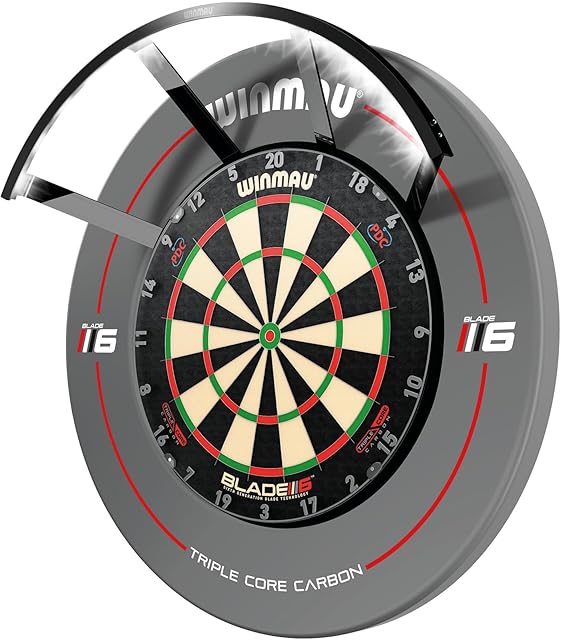
Winmau Pro-Line Dartboard Surround
Protects high-risk miss zones and supports safer, quieter daily use in shared home spaces.
View surround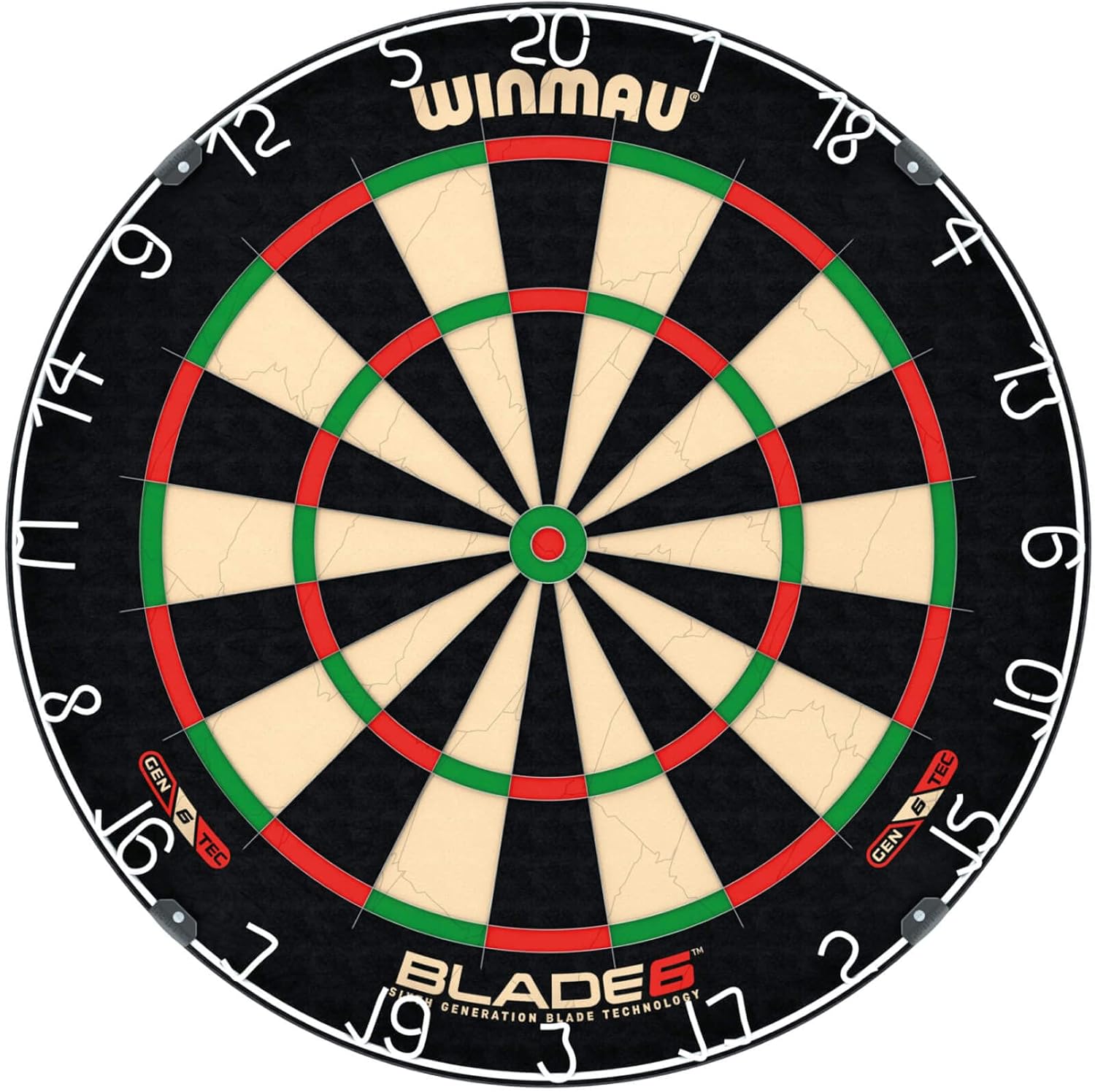
Routine / storage flow
£61.35
Winmau Blade 6 Dual Core Dartboard
Stable board baseline that keeps room rhythm predictable and makes storage/routine habits easier to sustain.
View boardTurn this setup into better matchplay
Use the right setup to reinforce doubles confidence, route decisions, and repeatable sessions.
Home dartboard setup
Set accurate measurements, lighting, and protection layers.
Open setupEquipmentBoard height and distance
Use official values and board-face measurement origin.
Open measurementsEquipmentProtect wall and floor
Build layered protection for shared-space home practice.
Open protection❓ Best Dartboard Room Setup FAQ
What matters most in a dartboard room setup?
Throw lane clarity, stable lighting, and safe protection matter most for consistent practice.
Do I need a large dedicated room?
Not necessarily. You need enough clear throw space, safe movement, and stable setup references.
Should I prioritize board quality or lighting first?
After basic board quality, lighting often gives one of the fastest practical consistency gains.
How do I reduce noise in shared spaces?
Use sensible wall/floor protection and limit hard-surface resonance around the board area.
Can room setup affect checkout practice?
Yes. Better visibility and stable throw references improve confidence on precise doubles.
How often should I review room setup?
Review after regular use blocks, especially if lighting, floor markers, or board placement shift.
🔎 Sources and Editorial Review
Written by
The Darts Fan editorial team
Reviewed against
WDF Playing Rules, PDC Rules of Darts, and standard matchplay conventions
Last reviewed
March 2026
How this page was built
This guide combines official references, practical home setup logic, and player-context examples to help beginners and improving players make better equipment decisions.
Editorial note
Player setups are examples for context, not one-size-fits-all recommendations.