Best beginner steel-tip test range: 22g-24g
Start here, then adjust by feel and consistency over multiple sessions.
Understand dart weights, tip formats, setup parts, and home dartboard basics with practical guides built for real beginners.
Start here, then adjust by feel and consistency over multiple sessions.
Flight choice depends on your release, grouping style, and confidence.
Choose the format that matches your environment and practice goals.
Correct height, distance, lighting, and protection matter most.
New to darts equipment? Start with your first darts, learn what weight to test, compare steel tip vs soft tip, and build a simple home setup.
Once your basics are stable, use these guides to fine-tune flight behavior, balance feel, grip comfort, and release consistency.
Build a reliable home practice environment with correct measurements, clean lighting, and practical wall/floor protection.
Use real player setups as practical reference points for testing different weights, flight shapes, and setup styles — not as exact copy instructions.
Use these profiles to compare mainstream setups against light/heavy outliers and different flight-shape choices.

Popular modern reference setup in a common 22g–23g range.
See player profile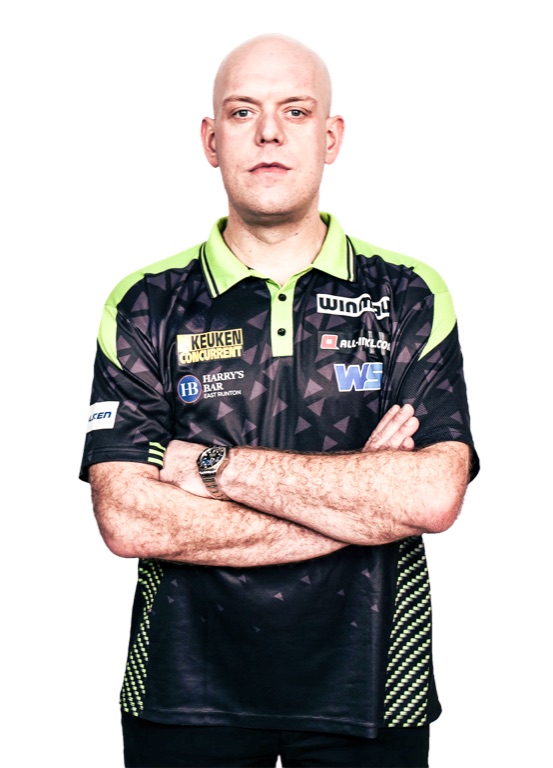
Shows how a mainstream weight can still feel very different by full setup.
See player profile
A memorable heavy outlier showing there is no single correct weight for everyone.
See player profile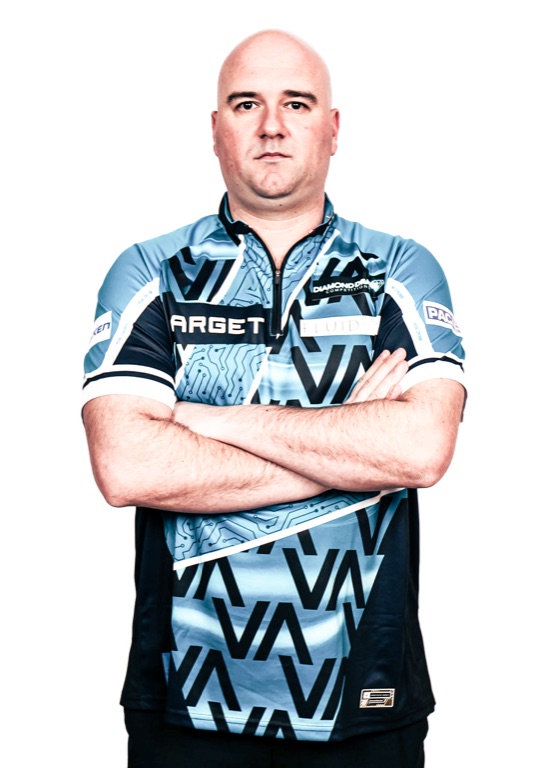
Useful standard-shape (No.6) reference in a mainstream pro setup range.
See player profile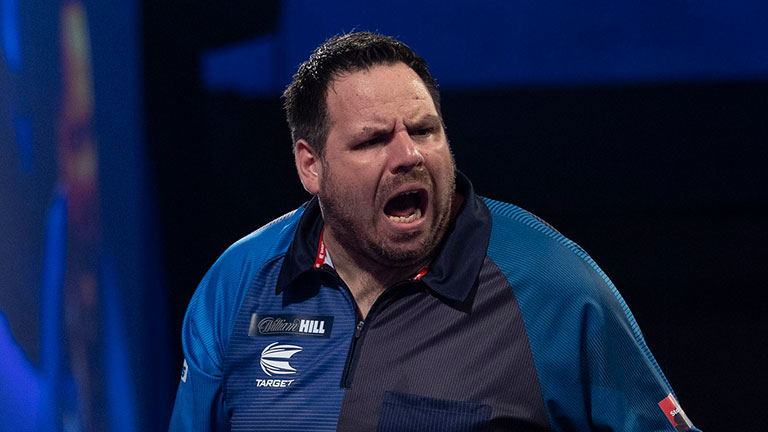
Kite-shape reference when testing a tighter, directional flight profile.
See player profileTreat pro setups as test anchors. Keep what helps your throw repeat cleanly and ignore what does not.
A practical starting range is often 22g to 24g in steel tip setups. The best final choice comes from repeated tests, not one universal recommendation.
Yes. Flight shape affects stabilization and entry behavior, especially when paired with different shaft lengths and barrel profiles.
Neither is universally better. Steel tip is a common matchplay reference, while soft tip can be practical for electronic board environments.
Yes. Correct measurements, safe spacing, and practical protection are more important than having a large dedicated room.
Both matter. Weight is easier to notice first, but balance and profile often decide long-term comfort and repeatability.
Not automatically. Heavier setups can feel stable for some players, but they still need a throw rhythm that matches your mechanics.